
A meditation retreat is one of the most transformative things a person can do, and also one of the most consistently underestimated. Three days of structured silent practice will produce more change in your nervous system than a year of daily ten-minute app sessions. This pillar guide covers every form of meditation retreat - silent Vipassana, mindfulness, Zen, Tibetan, secular - so you can choose well and arrive prepared rather than overwhelmed.
What Defines a Meditation Retreat
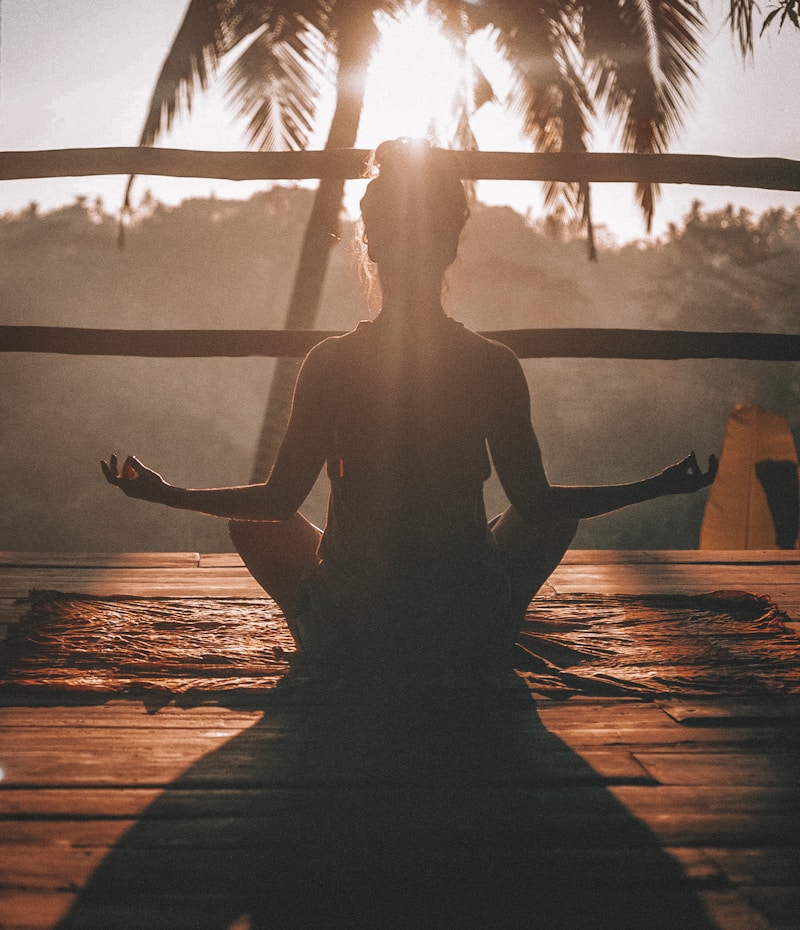
A residential silent practice period, typically 3-30 days, with a structured daily schedule of seated and walking meditation, dharma talks or instruction, and minimal external distraction. The defining elements are silence (complete or noble), discipline (a fixed daily timetable adhered to closely), and relinquishment of normal activity (no reading, writing, exercise, social interaction, screens).
Compared to a yoga retreat, the physical demands are lower but the psychological demands are far greater. The mind unmediated by external stimulation will surface anything you have been suppressing. This is the point.
The Major Traditions
Vipassana (S.N. Goenka tradition)
Ten-day silent retreats taught in over 200 centres worldwide, free of charge (donation-based). Highly structured, demanding, transformative. The most accessible serious meditation training globally.
Insight Meditation (Theravada)
Western insight tradition, primarily at Spirit Rock and Insight Meditation Society. Variable length (5-90 days), small student-teacher ratio, sliding-scale pricing.
Zen (Soto and Rinzai)
Japanese tradition with sesshin (intensive practice periods). Emphasis on posture, koan study, austere conditions. Rigorous and quiet.
Tibetan Buddhist
Visualisation practices, mantra recitation, tantra. More elaborate ritual, often less silent than Vipassana.
Mindfulness (Plum Village, Thich Nhat Hanh)
Engaged Buddhism with walking meditation, mindful eating, communal practice. Less austere than Vipassana, more accessible.
Secular Mindfulness (MBSR, MBCT)
Evidence-based programmes used in healthcare. Typically 8-week courses with one residential day rather than full retreats.
Transcendental Meditation
Mantra-based, with in-residence courses available worldwide. Less austere than Buddhist traditions.
Length Options
| Length | Tradition | What it offers |
|---|---|---|
| Weekend (2-3 days) | Most traditions | Introduction; not transformative alone |
| 5-7 days | Insight, Mindfulness | Reasonable depth for first-timers |
| 10 days | Vipassana | Standard intensive; highly demanding |
| 3 weeks | Insight, Zen sesshin | Deep practice; for committed students |
| 3 months | Insight (IMS) | Annual long-term retreats; advanced |
| 3 year | Tibetan retreat | Traditional commitment; very rare |
Top Meditation Retreat Centres
Dhamma centres worldwide (Vipassana Goenka)
Free 10-day residential courses in over 200 locations. Donation-based. Vipassana.org for booking.
Spirit Rock, California
Western insight tradition. Daily, weekend and longer retreats. Sliding-scale pricing.
Insight Meditation Society, Massachusetts
Sister centre to Spirit Rock. Three-month annual retreat is the longest in the Western lineage.
Plum Village, France
Thich Nhat Hanh's mindfulness community. Family-friendly, multi-language, 4-21 day retreats. Donation-based.
Wat Suan Mokkh, Thailand
Ten-day monastery retreats; austere, donation-based.
Tushita Meditation Centre, Dharamshala
Tibetan Buddhist introductory courses. Affordable, immersive.
Gaia House, England
Insight tradition; quiet rural Devon setting. Short and longer silent retreats.
Tergar International (Mingyur Rinpoche)
Tibetan-influenced secular mindfulness. Programmes worldwide.
Comparison Table
| Centre | Tradition | Length | Cost |
|---|---|---|---|
| Dhamma Centres | Vipassana Goenka | 10 days | Donation |
| Spirit Rock | Western Insight | 2-90 days | $60-200/night sliding |
| IMS | Western Insight | 5-90 days | $70-200/night sliding |
| Plum Village | Mindfulness | 4-21 days | Donation/mid-range |
| Wat Suan Mokkh | Theravada | 10 days | Donation |
| Tushita | Tibetan | 10 days | $20-30/day |
| Gaia House | Insight | 3-21 days | £60-90/night sliding |
What a Day Looks Like (10-day Vipassana example)
4:00am wake bell. 4:30-6:30 first meditation in your room or hall. 6:30 breakfast. 8:00-11:00 group meditation in the hall. 11:00 lunch (the last solid meal). 12:00-13:00 rest. 13:00-17:00 meditation, with one teacher interview slot. 17:00 tea break (no dinner; fresh fruit only). 18:00-19:00 group meditation. 19:00-20:30 evening dharma talk. 20:30-21:00 final meditation. 21:30 lights out. Total seated meditation: approximately 10 hours per day.
What to Expect Psychologically
Day 1-2: physical discomfort, mind racing, doubts about staying. Day 3-4: emotional surfacing, often unexpected memories or grief. Day 5-6: deeper concentration possible, longer sits become bearable. Day 7-8: insight or stability begins; some students experience this as a quiet revelation. Day 9-10: integration, gradual reintroduction of speech, departure preparation.
Most students consider day 3 the hardest. The instruction at every reputable centre is the same: do not leave on a difficult day. Wait until you have completed at least one good sit before deciding anything.
Physical Considerations
Sitting cross-legged for hours is uncomfortable for most modern bodies. Quality centres provide cushions, benches and chairs - use whatever lets you sit still without injury. Pain in the knees, hips and back is part of the practice; sharp shooting pain is a signal to adjust posture, not push through.
Two weeks of daily 30-minute meditation before any 10-day course substantially eases the physical demand. So does basic mobility work - hip openers, hamstring stretches.
Common Concerns
Can I do this without religion?
Yes. Vipassana (Goenka) and secular mindfulness traditions are deliberately non-religious. Buddhist traditions have devotional elements but most welcome students without imposing belief.
What if I have anxiety or depression?
Mild to moderate is usually fine. Severe acute anxiety, recent psychotic episodes, suicidal ideation, or recent trauma without therapeutic support are contraindications. Speak to the centre during application.
What if I cannot sit still?
You can. Everyone struggles with this initially. The retreat structure - bell, schedule, group practice - holds you in place when willpower fails.
Will I be expected to chant or believe anything?
At secular and Vipassana centres, no. At Tibetan and some Zen centres, devotional chanting is part of the schedule. Read the curriculum before booking.
Find a meditation retreat suited to your tradition and level:
- BookYogaRetreats - silent and meditation retreats worldwide.
- Retreat Guru - the largest directory of dharma retreats with teacher lineage information.
- GetYourGuide - day meditation experiences for first-time samplers.
Returning Home
The first 48 hours post-retreat are sensitive. Sound, traffic and digital input feel overwhelming after extended silence. Plan a quiet re-entry - avoid driving long distances, large gatherings or major decisions in the first three days. The integration window where retreat insight can be carried into daily practice typically lasts 2-3 weeks. Establish a 20-minute daily sit immediately, even if abbreviated.
Frequently Asked Questions
How much meditation experience do I need before a 10-day retreat?
Daily 15-20 minute sits for at least three months is the realistic minimum. Less than that and the physical and mental load on day one is overwhelming.
Is Vipassana free?
Yes. Goenka-tradition Vipassana courses are donation-based, with donations accepted only after completion and only from students who have completed a previous course.
What if I need to leave early?
You can. Centres prefer you complete the course but no one will detain you. Leaving on day 3-4 is statistically common; leaving after day 6 is rare.
Can I bring my phone?
It will be collected at registration and returned at the end. Verify in advance for the specific centre.
Are couples allowed to attend together?
Yes, but accommodation is typically segregated by gender. There is no contact during the silent period.