
A yoga holiday is a softer entry point than a full retreat - more travel, more downtime, lighter daily practice - and for many beginners it is the right way to start. This guide covers what separates a yoga holiday from a retreat, where to go for your first one, what level of practice to expect and how to make sure you actually enjoy yourself rather than feel intimidated.
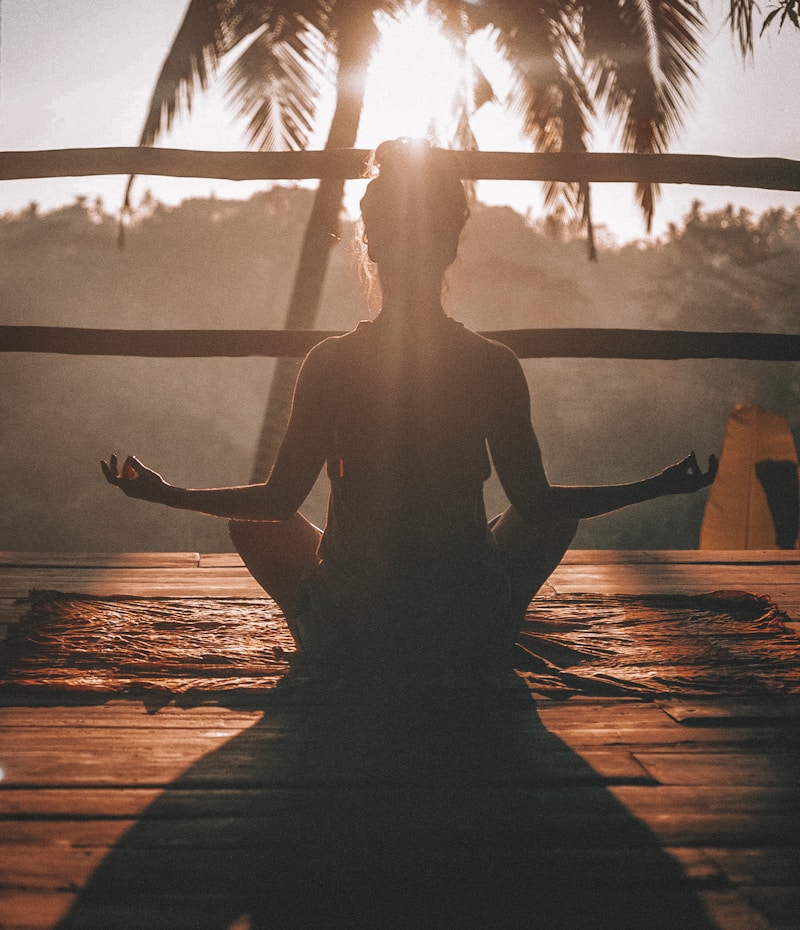
Yoga Holiday vs Yoga Retreat
The labels are used loosely, but a meaningful distinction exists. A yoga retreat is built around the practice - typically two daily classes, structured meals, a closed group, often a silent component. A yoga holiday includes one daily class (usually 75-90 minutes in the morning), free afternoons, optional excursions and meals shared with the broader hotel guests. Both are valid; the holiday format is the gentler beginning.
If a week of intensive practice and group dynamics feels daunting, start with a holiday. You can graduate to a full retreat once your body and confidence have grown.
Why a Yoga Holiday Suits Beginners
- One daily class allows the body to adapt without overuse
- Free time means you can rest, swim or sightsee without missing programming
- Shared meals are more relaxed than retreat-style silent eating
- Easier on a partner who is curious but not committed to yoga
- Lower price point - typically 30-40% cheaper than equivalent retreats
The Best First-Time Destinations
The Algarve, Portugal
Mild climate from April to October, English widely spoken, short flights from the UK and northern Europe. Boutique villas and small hotels run gentle Hatha mornings with surfing, hiking or beach time in the afternoons.
Crete and Greek islands
Long-running European yoga holiday tradition. Centres such as Yoga Plus and Yoga Rocks have hosted beginners for decades. Mediterranean food, swimming, walking and one daily Vinyasa class.
Andalucia, Spain
Cortijo Romero (a 35-year-old beginner-friendly retreat in the Alpujarras) and similar centres deliver gentle yoga combined with Spanish countryside walks and Moorish history.
Bali, Indonesia
For those willing to fly long-haul, Ubud's beginner-friendly programmes are excellent. Choose villa-based holidays rather than ashram-style retreats.
Goa, India
Beach yoga with Indian cultural exposure. Better for second-time travellers to India; first-timers may find Bali less culturally demanding.
Tuscany and Umbria, Italy
Restorative yoga in restored farmhouses. Excellent food, gentle hiking, often combined with cooking classes. Premium pricing.
What a Day Looks Like
A typical beginner yoga holiday rhythm: 7:30am tea or fruit, 8:00-9:30am gentle Hatha or Vinyasa class, breakfast, 11:00am free time (pool, beach, walk), lunch, 14:00-17:00 optional excursion or rest, 18:00 sunset class or meditation (often skipped without judgment), dinner, social evening. Compared to retreat schedules this is genuinely restful.
Comparison of Beginner-Friendly Holiday Destinations
| Destination | Climate | Price (week) | Difficulty |
|---|---|---|---|
| Algarve, Portugal | Mild Atlantic | $1,100-1,800 | Gentle |
| Crete, Greece | Hot Mediterranean | $1,200-1,900 | Gentle |
| Andalucia, Spain | Hot inland | $1,300-2,100 | Gentle |
| Bali, Indonesia | Warm tropical | $1,400-2,200 | Gentle-moderate |
| Goa, India | Warm tropical | $900-1,600 | Moderate |
| Tuscany, Italy | Hot dry summer | $1,800-2,800 | Gentle |
What to Look For When Booking
The phrase "all levels welcome"
This is the key signal. It means classes are designed for mixed-ability groups with modifications offered for every posture. Avoid anything labelled "intermediate" or "all-levels with experience" for your first holiday.
Class length and structure
75-90 minute classes are the comfortable maximum for newcomers. A two-hour class on day one is likely to overwhelm. Look for Hatha, Yin, Restorative or "gentle Vinyasa" descriptions.
Group size
Eight to fifteen students is the sweet spot. Larger groups dilute the personal attention beginners benefit from; smaller groups can feel exposing.
Optional rather than mandatory programming
If you skip a class, no one should comment. The best beginner holidays make this explicit in their booking pages.
What to Pack
- Two sets of breathable yoga clothing (you can rinse and rotate)
- Travel mat (1kg or under) - though many centres provide mats
- Lightweight cardigan for early-morning practice
- Reusable water bottle
- Notebook and pen for any reflective work
- Modest cover-up if temple visits are included
- Sun protection and a hat - retreat afternoons can mean significant sun exposure
What to Expect Physically
Days one to two: muscle awareness in places you did not know you had muscles. This is normal and not injury. Days three to four: body adapts, sleep deepens, appetite changes. Days five to seven: a perceptible quietening of mental noise; many first-timers describe this as "the moment I understood why people do this".
Drink more water than feels necessary. Eat lightly. Do not push into pain - good teachers will repeatedly remind beginners that yoga is not stretching to the limit.
Practical Pre-Trip Preparation
Three to four weeks before departure, begin a fifteen-minute home practice using a YouTube channel such as Yoga With Adriene or a beginner app like Down Dog. The aim is familiarity with sun salutation A and the basic standing postures - not flexibility. Cut alcohol the week before. Sleep well.
Travelling Solo or With a Partner
Solo travellers
The majority of beginner yoga holiday guests travel alone. Shared meal tables and small group classes mean you are sociable without effort. Single-supplement fees apply at most centres - factor an additional 15-30%.
Couples
If only one of you is yoga-curious, choose a holiday rather than a retreat. The non-practitioner can join surf lessons, cookery classes or simply rest while their partner attends class. Choose centres that explicitly accommodate non-practising partners.
Budget Reality
A beginner yoga holiday in Europe costs US$1,200-2,000 all-inclusive for a week. Long-haul destinations (Bali, India) are similar in retreat cost but add US$800-1,500 in flights. Travel insurance, additional bodywork and a few meals out add another US$200-400. For first-timers a regional European holiday delivers excellent value with minimal logistics.
Find beginner-friendly yoga holidays with verified reviews:
- BookYogaRetreats - 2,000+ beginner-suitable holidays filterable by region.
- Retreat Guru - vetted holidays with detailed teacher and venue information.
- GetYourGuide - day yoga classes and excursions to add around your holiday.
What Happens After
The week after a yoga holiday is the integration window. Most beginners feel inspired to "build a daily practice" and then quietly abandon it within ten days. The trick is small commitments: ten minutes a day, three times a week, ideally at the same time. Use the same class style you experienced on holiday so the body recognises it.
Frequently Asked Questions
Do I need to be flexible to attend a yoga holiday?
No. Flexibility is an outcome of practice, not a prerequisite. Beginner classes assume stiffness and provide modifications for every posture.
What if I have a bad back or knee issues?
Gentle Hatha, Yin and Restorative styles are generally safe and often therapeutic. Inform the teacher before your first class so they can offer modifications. Severe acute injury should be cleared by a physician before any travel.
Can I bring a non-practising partner or friend?
Most yoga holidays welcome non-practising guests at a reduced rate. Confirm during booking; some smaller centres are practitioner-only.
How long should my first yoga holiday be?
Five to seven nights. Shorter than four nights and the travel-to-practice ratio is poor; longer than ten can feel restrictive for absolute beginners.
Will I be expected to meditate?
Most holidays include optional brief meditation (10-20 minutes). Sit if you wish or simply rest in savasana. No teacher should ever pressure a beginner into long meditation sittings.