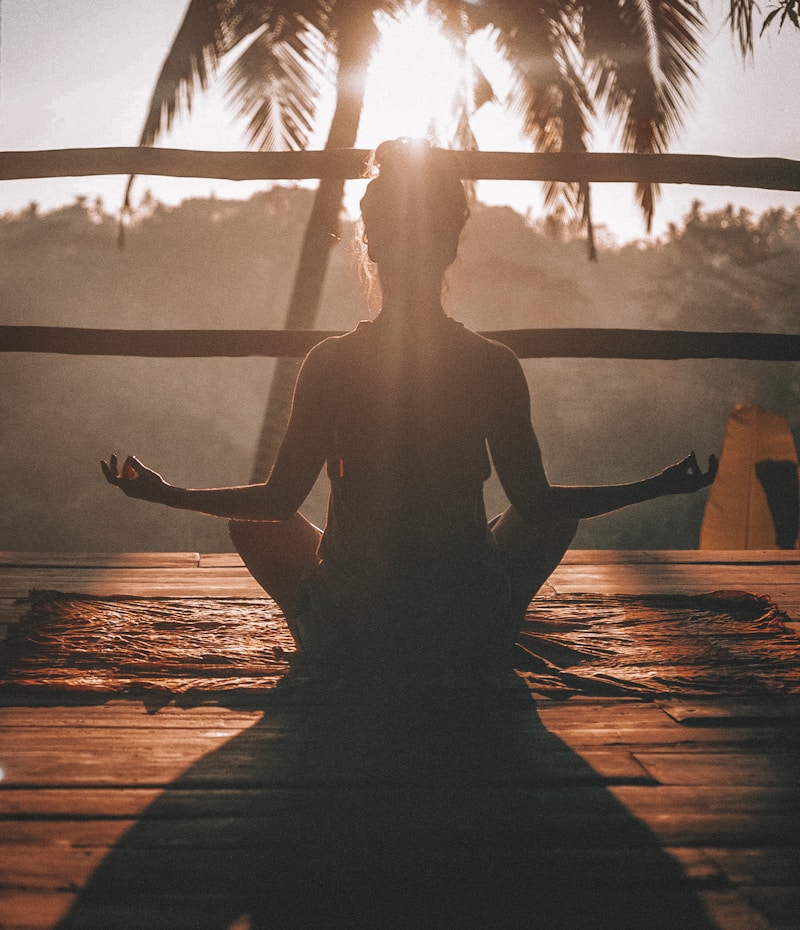
Thailand offers some of the best-value yoga retreats in Asia, with mature wellness infrastructure on Koh Phangan, Koh Samui and Phuket plus quieter alternatives in Chiang Mai and the deep south. The challenge is filtering: Thailand's yoga scene is large, varied and uneven in quality. This guide separates serious retreat centres from holiday-with-yoga packages.
Why Thailand for Yoga
Three reasons make Thailand a strong retreat destination: warm climate that opens the body, mature health-tourism infrastructure with clean, modern accommodation, and excellent value - a serious week of practice is achievable from US$900-1,400 all-inclusive on Koh Phangan, against US$1,500+ for comparable quality in Bali.
The country's Theravada Buddhist tradition also means meditation, Vipassana centres and dharma talks are easy to combine with asana practice in a way that feels culturally grounded rather than tacked on.
The Main Yoga Destinations
Koh Phangan
Once known only for full-moon parties, the island's western and northern coasts now host the country's deepest yoga community. Sri Thanu and Haad Salad villages are the centres. Expect mid-range pricing, vegan cafés and a transient long-stay population of teachers and trainees.
Koh Samui
Larger, more developed, with better airport access and a polished resort scene. Yoga here trends towards luxury wellness rather than ashram-style practice. Kamalaya is the headline name.
Phuket
Phuket itself is touristy, but a handful of retreats on the quieter east and north coasts (and on neighbouring Phi Phi) offer good practice combined with sailing, snorkelling and spa.
Chiang Mai
Cooler highland alternative with strong meditation infrastructure. Better for combined yoga-meditation immersions and Thai massage training.
Krabi and the Andaman Coast
Limestone karst scenery, less crowded than the gulf islands. A few high-quality retreats including Anantara's wellness offerings.
Recommended Retreat Centres
Samahita Retreat, Koh Samui
One of Asia's longest-running serious yoga centres. Strong Ashtanga and Yoga Therapy lineage, on-the-beach setting, structured 5-21 day programmes from US$1,400-3,500.
Vikasa, Koh Samui
Cliffside vinyasa-driven property with detox add-ons. Pricing US$1,800-3,200 per week. Polished but commercial.
Orion Healing, Koh Phangan
Combines yoga with juice-fast detox programmes. Strong choice for first-time fasters who want an asana base layer.
The Sanctuary, Koh Phangan
The classic alternative-wellness destination - off-grid, only accessible by longtail boat. Yoga, meditation, raw food, healing arts.
Kamalaya, Koh Samui
Luxury wellness sanctuary. Yoga is one of many modalities including Traditional Chinese Medicine and Ayurveda. From US$5,000 per week.
Yoga Tree, Koh Phangan
Highly regarded teacher training school with shorter retreats (5-10 nights) for students not ready to commit to a 200-hour programme.
Comparison Table
| Centre | Location | Price (week) | Best for |
|---|---|---|---|
| Samahita | Koh Samui | $1,400-3,500 | Serious Ashtanga, therapy |
| Vikasa | Koh Samui | $1,800-3,200 | Vinyasa, detox |
| Orion Healing | Koh Phangan | $1,000-2,000 | Yoga + fasting |
| The Sanctuary | Koh Phangan | $900-1,800 | Off-grid alternative |
| Kamalaya | Koh Samui | $5,000+ | Luxury integrative |
| Yoga Tree | Koh Phangan | $1,100-1,800 | Pre-TT exposure |
What to Expect on a Thai Yoga Retreat
Most centres run two daily classes - dynamic morning vinyasa or Ashtanga at 7:00am, restorative or yin practice at 4:30pm. Plant-forward meals, often with raw and detox options. Afternoons free for swimming, beach walks or optional Thai massage. By day four, the heat and structured rhythm tend to produce remarkable sleep quality and a noticeable drop in resting heart rate.
When to Visit
Thailand has two distinct climates depending on coast. The Gulf islands (Koh Samui, Koh Phangan, Koh Tao) have their dry season from January to August, with September to November being wettest. The Andaman coast (Phuket, Krabi, Phi Phi) is opposite: dry from November to April, wet May to October. Plan accordingly.
Avoid Songkran (Thai New Year, mid-April) for any quiet practice - the country closes for an extended water-throwing festival. The full-moon parties on Koh Phangan, while geographically distant from yoga areas, can still affect transport and noise on adjacent days.
Combining Yoga With Other Practices
Thai massage training
Chiang Mai's old massage schools (TMC, ITM) offer 30-60 hour foundational courses. Many yoga teachers add a week of Thai massage either before or after a retreat.
Vipassana meditation
Free 10-day silent Vipassana courses run continuously at Dhamma centres throughout Thailand. Difficult, transformative, not to be combined with yoga in the same week.
Muay Thai or hiking
Some retreats blend yoga with morning Muay Thai conditioning - good if you want fitness energy alongside flexibility work. Check whether the boxing element is taught by qualified Kru rather than gym staff.
Practical Travel Information
Bangkok (BKK or DMK) is the typical entry point, with onward flights to Koh Samui (USM) for the gulf islands or Phuket (HKT) for the Andaman coast. Most nationalities receive 30-60 day visa-exempt entry. Internal travel is straightforward; ferries and minivans connect the gulf islands reliably.
Tipping is appreciated but not expected in retreat settings. ATMs are widespread; the THB is generally stable. Tap water is not potable; reputable retreats provide filtered stations.
Food Considerations
Thai cuisine is naturally yoga-friendly: vegetable-heavy, fresh, lightly cooked. Dietary requirements (vegan, gluten-free, allergies) are easily accommodated at established retreats but harder to navigate on the street. Coconut and palm sugar appear frequently; flag low-sugar requirements explicitly.
Compare Thailand yoga retreats with verified reviews:
- BookYogaRetreats - 600+ Thailand programmes filterable by island, style and budget.
- Retreat Guru - lineage-vetted Thai retreats and Vipassana courses.
- GetYourGuide - day yoga, Thai massage classes and island-hopping excursions.
Red Flags to Watch For
Anything advertised as "guru-led" without naming the teacher. Centres that conflate yoga with high-pressure detox or "ascension" programmes. Unaccredited teacher trainings (always check Yoga Alliance registration). Retreats that change their schedule or accommodation after you have paid the deposit. Photos that show only the property, never an actual class in session.
The Quiet Magic of Thai Retreats
What Thailand does best is unforced wellness. The climate, the food, the unhurried pace and the Buddhist cultural undercurrent combine into something difficult to manufacture elsewhere. A second-time retreat-goer who has practised in Bali often finds Thailand quieter, less performative and more conducive to genuine inner work.
Frequently Asked Questions
Is Thailand cheaper than Bali for yoga retreats?
Comparable at the mid-range; Thailand wins on luxury (Kamalaya, Six Senses) and Bali wins on budget ashram-style options. Daily living costs are slightly lower in Thailand.
Can I do a yoga retreat and a meditation retreat back-to-back?
Yes, but allow a two- to three-day buffer. The mental quality required for ten days of Vipassana is different from yoga's embodied focus, and stacking them without a gap is depleting.
What level of fitness do I need?
Most retreats accept all levels. Specifically advertised "intermediate" or "advanced" programmes assume daily practice for at least a year and the ability to hold downward dog comfortably for one minute.
Are Thai retreats appropriate for couples?
Yes, particularly resort-style retreats on Koh Samui and Phuket. Some ashram-style centres on Koh Phangan separate accommodation by gender; check before booking.
Should I book through an aggregator or direct?
Aggregators offer best-price guarantees and verified reviews. Direct booking sometimes secures discounts on longer stays. Either works for established centres; first-timers should use an aggregator for cancellation protection.