
A 200-hour Yoga Teacher Training (YTT) abroad is a significant investment - typically US$2,500-5,500 plus flights, food and accommodation. Done well, it transforms your practice, your sense of self and (if you choose) your career. Done badly, it leaves you with a certificate you cannot actually teach from. After observing dozens of programmes across India, Bali, Thailand, Costa Rica and Portugal, here is the honest framework I use when advising students.
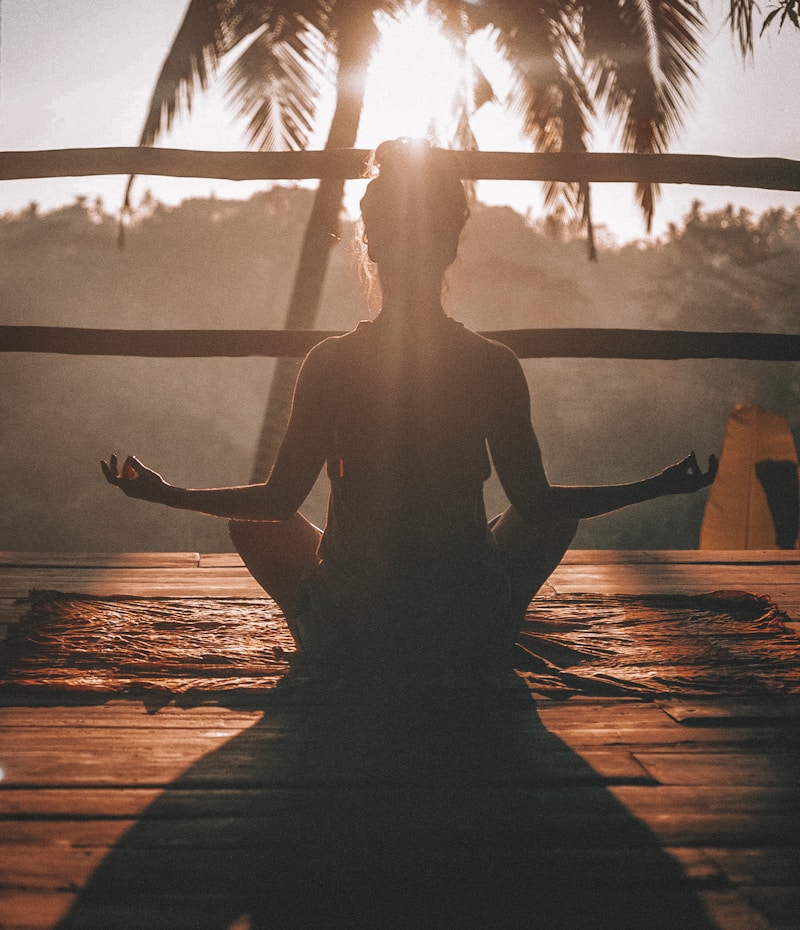
Why Train Abroad
You can complete a YTT in your home city across weekends over six months. Many people do, and it works. Training abroad offers something different: full immersion, removed from work and domestic life, with daily practice and study running from dawn to dusk for three to four weeks. The compression matters. The amount of integration possible in a residential month exceeds what part-time study delivers in a year.
Training abroad also lets you study within a specific lineage or culture - classical Hatha in Rishikesh, vinyasa in Bali, Iyengar in Pune - in a way that recalibrates your understanding of what yoga is.
The Yoga Alliance Question
Yoga Alliance is not a regulator but the dominant industry association. RYS-200 and RYS-500 designations indicate a school's curriculum has been registered. Most studios in the West expect a Yoga Alliance certified teacher. Choose a non-registered school only if you have a specific reason (a particular master teacher, a traditional lineage school) and accept the trade-off.
Beyond the basic registration, look at who teaches what. A good 200-hour curriculum dedicates serious time to functional anatomy, teaching methodology, sequencing, ethics and philosophy - not just asana practice.
Top Destinations Compared
Rishikesh, India
The traditional home of yoga. Pricing US$1,200-2,500 for a 200-hour course. Strengths: classical lineage teaching, philosophy depth, Sanskrit and chanting, low cost. Weaknesses: variable quality control, some schools are tourist mills.
Mysore, India
The home of Ashtanga. KPJAYI and the Sharath Yoga Centre attract serious Ashtanga practitioners. Not formally a 200-hour TT location, but Mysore-style daily practice for one to three months is its own deep training.
Goa, India
Western-friendly Indian alternative. Schools such as Sampoorna and Mahi Yoga deliver solid 200-hour programmes with beach proximity and gentler cultural adjustment.
Bali, Indonesia
The premium Asian option. Pricing US$3,200-5,500. Schools such as Radiantly Alive and The Yoga Barn attract experienced Western teachers. Strong on alignment, weaker on philosophy than Indian programmes.
Costa Rica
The eco-luxury choice. Programmes at Nosara Yoga Institute and Blue Osa cost US$4,000-6,500 but include excellent food, accommodation and a holistic curriculum.
Thailand
Koh Phangan and Chiang Mai schools. Mid-range pricing (US$2,800-4,200), good infrastructure, often combined with detox or Thai massage modules.
Portugal and Spain
Europe's quiet leaders. Smaller cohorts, often vegan-aligned, suited to European trainees who want immersion without long-haul travel.
Comparing Programmes
| Destination | Cost (USD) | Length | Best for |
|---|---|---|---|
| Rishikesh, India | $1,200-2,500 | 3-4 weeks | Classical, philosophy |
| Goa, India | $1,800-3,000 | 3-4 weeks | Beach + tradition |
| Bali, Indonesia | $3,200-5,500 | 3-4 weeks | Alignment, polish |
| Costa Rica | $4,000-6,500 | 3-4 weeks | Eco-luxury |
| Thailand | $2,800-4,200 | 3-4 weeks | Detox combo |
| Portugal | $3,500-5,200 | 3-4 weeks | European immersion |
What a 200-Hour Curriculum Should Include
- Asana technique and sequencing - approximately 75 hours
- Teaching methodology, including hands-on assists and modifications - 25 hours
- Anatomy and physiology, both physical and energetic - 30 hours
- Yoga philosophy, history and ethics - 30 hours
- Practicum - student teaching, observation, feedback - 10 hours
- Remaining hours: pranayama, meditation, electives
If a programme heavily underweights anatomy or philosophy in favour of asana, you will graduate able to demonstrate poses but unable to keep students safe or contextualise the practice.
Choosing a Lead Teacher
The single most important factor in any TT is the lead teacher. Look for E-RYT 500 certification, ten or more years of teaching, and crucially, a lineage - someone they themselves studied with for years. Beware programmes where the most senior listed teacher only appears for a few sessions while the bulk is delivered by recent graduates.
Read trainee reviews on neutral platforms (BookYogaRetreats, Reddit's r/yoga, Yoga Alliance directory). Look specifically for reviews that mention what trainees can teach after the programme - that is the real outcome metric.
Daily Schedule Reality
A typical day during a 200-hour course: 6:00am wake, 6:30-8:30am pranayama and asana, breakfast, 10:00am-12:00 anatomy or methodology lecture, lunch, rest, 14:00-16:00 philosophy or sequencing, 16:30-18:30 second asana practice or teaching practicum, dinner, 20:00 satsang or meditation, lights out by 22:00. Saturdays are often a half-day; Sundays free.
This is more demanding than most students anticipate. Plan to arrive in good physical condition, with no other commitments, ideally with some buffer days before and after the course for transition.
Common Pitfalls
Choosing the cheapest course you can find - the savings rarely cover the gap in quality. Booking a course in a destination you have never visited - factor at least a week of acclimatisation. Underestimating the emotional intensity of three weeks of intensive practice and group dynamics. Expecting to teach professionally immediately - most graduates spend six to twelve months in mentorship before they are ready to lead public classes.
What Comes After 200 Hours
Most serious teachers treat the 200-hour as foundational. Ongoing study includes 300-hour or 500-hour advanced trainings, specialised certifications (yin, prenatal, yoga therapy, restorative), and continuing education with senior teachers. Budget for at least 50 hours of CE per year to keep your practice alive and your teaching current.
Find and compare Yoga Alliance certified teacher trainings worldwide:
- BookYogaRetreats - 1,200+ TT programmes filterable by location, style and Yoga Alliance status.
- Retreat Guru - lineage-vetted teacher trainings with detailed faculty bios.
- GetYourGuide - shorter immersions and weekend workshops to test a school before committing.
Visa, Logistics and Insurance
Most YTT destinations are accessible on tourist visas, but India requires the e-Tourist Visa or a longer multi-entry visa. Travel insurance must cover the duration of the course plus any onward travel. Consider trip-cancellation cover - illness or family emergencies during a 200-hour are not unusual, and most schools have strict no-refund policies once the course begins.
Will It Change Your Life?
If you arrive ready, with a serious home practice and an open mind, yes - though probably not in the way you expect. The shift is not usually about becoming a teacher but about gaining a daily relationship with breath, body and presence that does not depend on circumstance. Many graduates never teach professionally and consider the training the best money they have spent.
Frequently Asked Questions
How long should I have practised before a 200-hour TT?
One to two years of regular practice (three or more sessions per week) is the realistic minimum. Less than that and you will struggle to keep up physically while learning to teach.
Can I take a YTT just to deepen my own practice without teaching?
Yes - this is a common and valid reason. Inform the school during application; some courses have separate "personal development" and "professional" tracks.
Are online or hybrid YTTs as good as in-person?
For learning facts, yes. For learning to teach - reading bodies, giving real-time adjustments, holding a room - the residential format is significantly more effective.
What is the average age of YTT students?
Mid-twenties to mid-fifties. Many students are mid-career or post-career professionals using the course as a sabbatical and reorientation.
Can I transfer my YTT certificate between countries?
A Yoga Alliance certificate is recognised globally. Some specific national bodies (e.g. India's Quality Council) have parallel accreditations; check requirements if you plan to teach in a particular country.